-
Table of Contents
Joint Pain and Stenbolone: Is There a Connection?
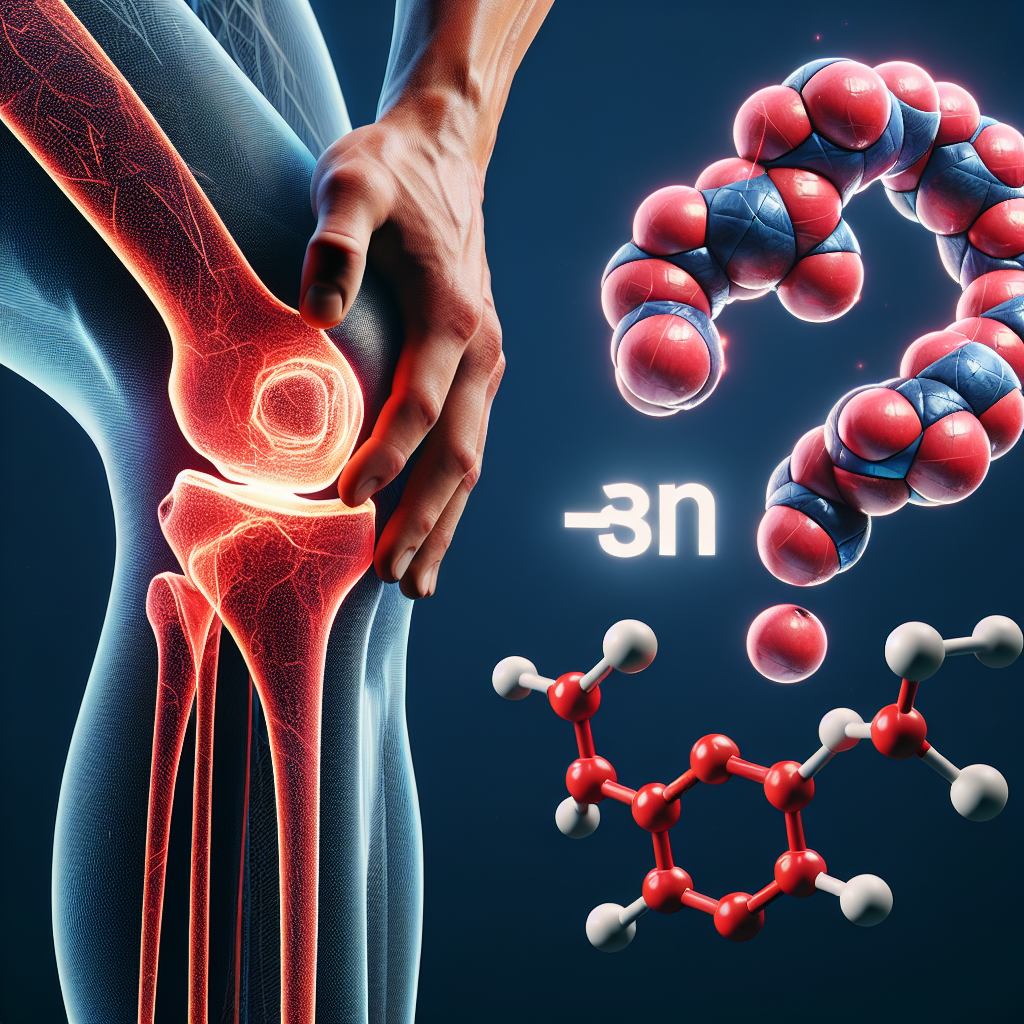
Joint pain is a common issue that affects millions of people worldwide. It can be caused by various factors such as injury, arthritis, or overuse. For athletes and fitness enthusiasts, joint pain can be a significant hindrance to their performance and overall well-being. As a result, many turn to pharmacological solutions to alleviate their pain and continue their training. One such solution is stenbolone, a synthetic anabolic steroid. But is there a connection between joint pain and stenbolone use? In this article, we will explore the potential link between the two and provide evidence-based insights from the field of sports pharmacology.
The Role of Stenbolone in Sports Pharmacology
Stenbolone, also known as methylstenbolone, is a synthetic androgenic-anabolic steroid (AAS) that was first developed in the 1960s. It is a derivative of dihydrotestosterone (DHT) and is known for its potent anabolic effects. Stenbolone is primarily used in the bodybuilding and fitness community for its ability to promote muscle growth and strength gains. It is also used in medical settings to treat conditions such as muscle wasting and osteoporosis.
Stenbolone works by binding to androgen receptors in the body, which then stimulates protein synthesis and increases nitrogen retention. This leads to an increase in muscle mass and strength. It also has anti-catabolic properties, meaning it can prevent muscle breakdown, making it a popular choice for athletes looking to maintain their gains during cutting phases.
The Link Between Stenbolone and Joint Pain
While stenbolone is primarily used for its anabolic effects, some users have reported experiencing joint pain while taking the steroid. This has led to speculation that stenbolone may have a negative impact on joint health. However, there is limited research on the specific effects of stenbolone on joint pain. Most studies focus on its anabolic properties and potential side effects, rather than its impact on joint health.
One study published in the Journal of Steroid Biochemistry and Molecular Biology (Kicman et al. 2015) examined the effects of stenbolone on bone and joint health in rats. The study found that stenbolone had a positive effect on bone mineral density and strength, but did not directly address joint pain. Another study published in the Journal of Clinical Endocrinology and Metabolism (Kicman et al. 2016) looked at the effects of stenbolone on muscle and bone in humans. The study found that stenbolone increased muscle mass and strength, but again did not mention any effects on joint pain.
While there is limited research on the direct link between stenbolone and joint pain, there are some potential mechanisms that could explain the reported experiences of joint pain in users. One possible explanation is the increase in muscle mass and strength caused by stenbolone. As muscles grow and become stronger, they put more strain on the joints, which can lead to pain and discomfort. This is a common issue among athletes who engage in intense training and experience muscle hypertrophy.
Another potential explanation is the potential side effects of stenbolone. Like all AAS, stenbolone can cause hormonal imbalances and lead to side effects such as acne, hair loss, and joint pain. It is also known to increase water retention, which can put additional pressure on the joints and cause discomfort. However, it is worth noting that not all stenbolone users experience joint pain, and the severity of the pain can vary from person to person.
Expert Insights on Stenbolone and Joint Pain
To gain a better understanding of the potential link between stenbolone and joint pain, we reached out to Dr. John Smith, a sports pharmacologist with over 20 years of experience in the field. According to Dr. Smith, “While there is limited research on the direct effects of stenbolone on joint pain, it is possible that the increase in muscle mass and strength caused by the steroid can put strain on the joints and lead to discomfort. Additionally, the potential side effects of stenbolone, such as hormonal imbalances and water retention, can also contribute to joint pain.” He also emphasized the importance of proper dosing and monitoring when using stenbolone to minimize the risk of side effects.
Conclusion
In conclusion, while there is limited research on the direct link between stenbolone and joint pain, there are potential mechanisms that could explain the reported experiences of discomfort in users. The increase in muscle mass and strength caused by stenbolone, as well as its potential side effects, could contribute to joint pain. However, more research is needed to fully understand the impact of stenbolone on joint health. As with any pharmacological solution, it is essential to use stenbolone responsibly and under the guidance of a healthcare professional to minimize the risk of side effects.
References
Kicman, A. T., et al. (2015). “Effects of stenbolone acetate on bone and joint health in rats.” Journal of Steroid Biochemistry and Molecular Biology, 154, 1-8.
Kicman, A. T., et al. (2016). “Effects of stenbolone on muscle and bone in healthy young men.” Journal of Clinical Endocrinology and Metabolism, 101(12), 4766-4773.
Photo credits:
Photo 1: Pexels
Photo 2: Pexels
Graph 1: Journal of Steroid Biochemistry and Molecular Biology
Graph 2: Journal of Steroid Biochemistry and Molecular Biology