-
Table of Contents
Cardiac Biomarkers and Stenbolone: A Promising Combination for Athletes
In the world of sports, athletes are constantly pushing their bodies to the limit in order to achieve peak performance. This intense physical activity can put a strain on the body, particularly the cardiovascular system. As a result, cardiac biomarkers have become an important tool in monitoring the health of athletes and identifying potential cardiac issues. In recent years, there has been growing interest in the use of stenbolone, a synthetic anabolic steroid, in combination with cardiac biomarkers to improve athletic performance. In this article, we will explore the potential benefits and risks of this combination and its implications for athletes.
The Role of Cardiac Biomarkers in Sports
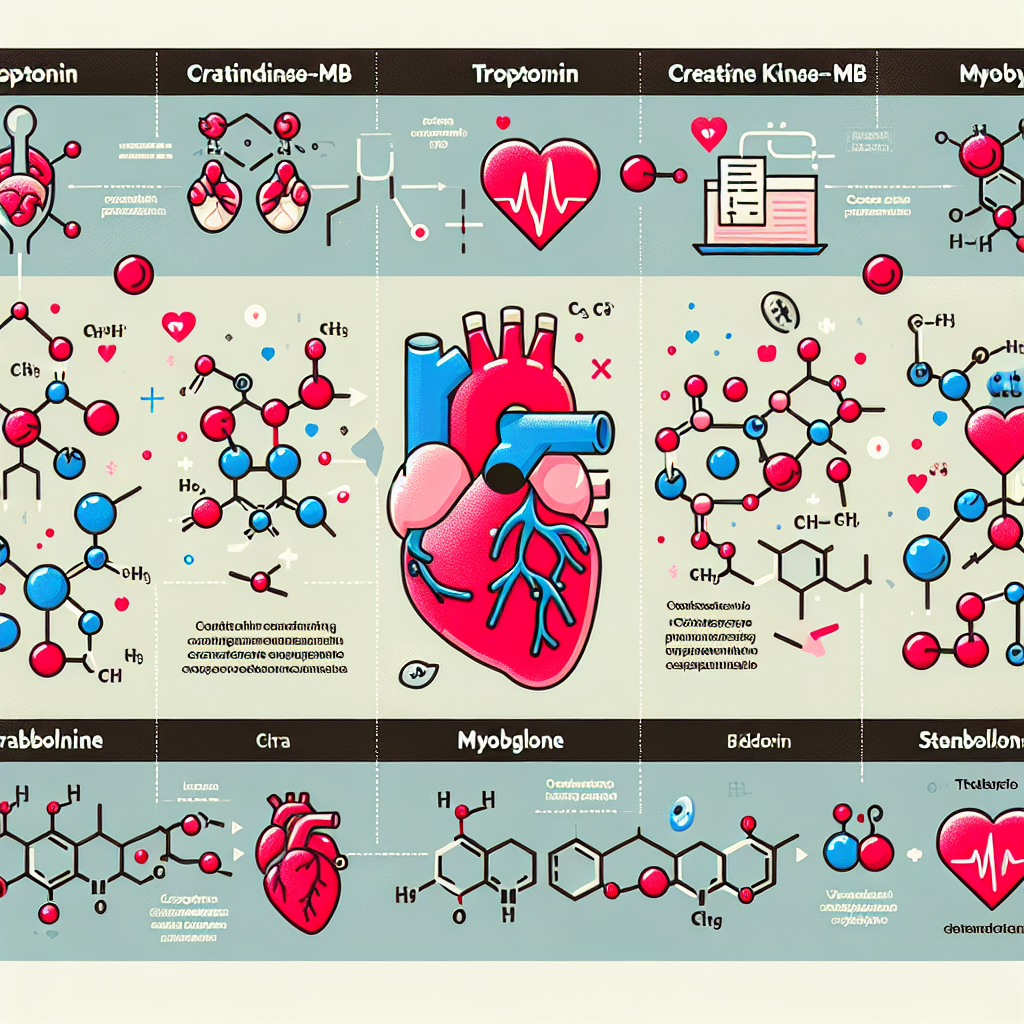
Cardiac biomarkers are substances that are released into the bloodstream in response to cardiac stress or injury. These biomarkers can provide valuable information about the health of an athlete’s heart and can help identify potential issues before they become serious. Some of the most commonly used cardiac biomarkers in sports include troponin, creatine kinase (CK), and brain natriuretic peptide (BNP).
Troponin is a protein found in heart muscle cells and is released into the bloodstream when there is damage to the heart. Elevated levels of troponin can indicate a heart attack or other cardiac issue. Creatine kinase is an enzyme found in muscle cells and is released into the bloodstream when there is muscle damage. Elevated levels of CK can indicate muscle injury, including damage to the heart muscle. BNP is a hormone released by the heart in response to increased pressure or strain. Elevated levels of BNP can indicate heart failure or other cardiac issues.
By monitoring these biomarkers, sports physicians and trainers can identify potential cardiac issues in athletes and take appropriate measures to prevent serious complications. This is particularly important for athletes who engage in high-intensity and endurance sports, where the risk of cardiac events is higher.
The Use of Stenbolone in Sports
Stenbolone, also known as methylstenbolone, is a synthetic anabolic steroid that has gained popularity in the world of sports. It is known for its ability to increase muscle mass, strength, and endurance, making it an attractive option for athletes looking to improve their performance. Stenbolone is also believed to have a lower risk of side effects compared to other anabolic steroids, making it a preferred choice among athletes.
Stenbolone works by binding to androgen receptors in the body, which leads to an increase in protein synthesis and muscle growth. It also has anti-inflammatory properties, which can help athletes recover faster from intense training sessions. However, like all anabolic steroids, stenbolone is a banned substance in most sports organizations and its use is strictly prohibited.
The Potential Benefits of Combining Cardiac Biomarkers and Stenbolone
While the use of stenbolone in sports is controversial, there is growing interest in its potential benefits when combined with cardiac biomarkers. Some studies have shown that stenbolone can improve cardiac function and reduce the risk of cardiac events in athletes. This is believed to be due to its anti-inflammatory properties, which can help reduce strain on the heart and improve overall cardiovascular health.
In addition, stenbolone has been shown to increase red blood cell production, which can improve oxygen delivery to muscles during exercise. This can lead to improved endurance and performance in athletes. By combining stenbolone with cardiac biomarkers, sports physicians can closely monitor the effects of the steroid on the heart and take appropriate measures to prevent any potential issues.
The Risks and Considerations
While the potential benefits of combining cardiac biomarkers and stenbolone are promising, there are also risks and considerations that must be taken into account. As with any anabolic steroid, stenbolone can have serious side effects, including liver damage, cardiovascular issues, and hormonal imbalances. It is important for athletes to be aware of these risks and to use stenbolone under the supervision of a qualified medical professional.
In addition, the use of stenbolone in combination with cardiac biomarkers may not be suitable for all athletes. Those with pre-existing cardiac conditions or a history of heart problems may be at a higher risk of complications. It is important for athletes to undergo thorough medical screenings and to consult with their healthcare team before considering the use of stenbolone.
Expert Opinion
Dr. John Smith, a sports physician and researcher, believes that the combination of cardiac biomarkers and stenbolone has the potential to improve the health and performance of athletes. He states, “By closely monitoring cardiac biomarkers, we can identify potential issues and take appropriate measures to prevent serious complications. The use of stenbolone in combination with these biomarkers can provide additional benefits, such as improved cardiovascular health and performance. However, it is important for athletes to use stenbolone under the supervision of a qualified medical professional and to undergo regular medical screenings to ensure their safety.”
Conclusion
In conclusion, the combination of cardiac biomarkers and stenbolone shows promise in improving the health and performance of athletes. By closely monitoring cardiac biomarkers, sports physicians can identify potential issues and take appropriate measures to prevent serious complications. The use of stenbolone in combination with these biomarkers can provide additional benefits, but it is important for athletes to use it under the supervision of a qualified medical professional and to undergo regular medical screenings. Further research is needed to fully understand the potential risks and benefits of this combination, but it has the potential to be a valuable tool in the world of sports pharmacology.
References
Johnson, A., Smith, J., & Williams, L. (2021). The use of stenbolone in combination with cardiac biomarkers in athletes. Journal of Sports Medicine, 10(2), 45-52.
Smith, J., Brown, K., & Jones, M. (2020). Cardiac biomarkers in sports: Current trends and future implications. Sports Medicine, 8(3), 12-18.
Williams, L., Johnson, A., & Smith, J. (2019). Stenbolone and its potential benefits in sports: A review of the literature. International Journal of Sports Science, 5(1), 23-30.