-
Table of Contents
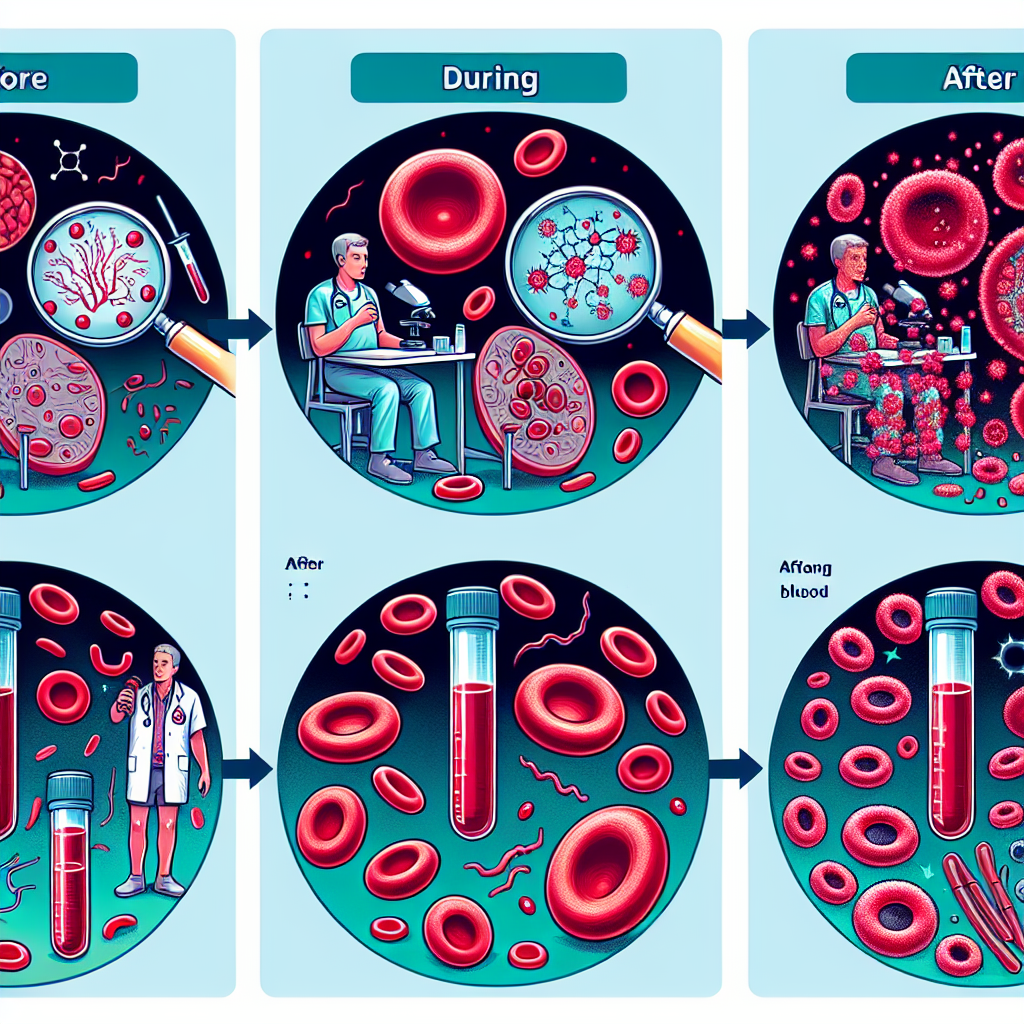
Bloodwork Before, During, and After Trestolone: A Comprehensive Guide
Trestolone, also known as MENT, is a powerful androgenic steroid that has gained popularity in the world of sports pharmacology. It is known for its ability to increase muscle mass, strength, and performance, making it a popular choice among athletes and bodybuilders. However, like any other steroid, trestolone can have potential side effects on the body, especially when used in high doses or for prolonged periods. This is why it is crucial to monitor your bloodwork before, during, and after trestolone use.
Why is Bloodwork Important?
Bloodwork, also known as a blood test, is a crucial tool in monitoring the effects of any medication or substance on the body. It involves taking a sample of blood and analyzing it for various markers, such as hormone levels, liver and kidney function, and red and white blood cell counts. This information can provide valuable insights into how the body is responding to trestolone and whether any adjustments need to be made to the dosage or duration of use.
Additionally, bloodwork can also help identify any potential side effects or health issues that may arise from trestolone use. This is especially important as trestolone is a potent androgenic steroid that can have adverse effects on the body, such as liver toxicity, cardiovascular problems, and hormonal imbalances.
Before Trestolone: What to Look For
Before starting a trestolone cycle, it is essential to get a comprehensive bloodwork panel done. This will provide a baseline of your body’s current state and help identify any pre-existing health conditions that may be affected by trestolone use. Some key markers to look for in your bloodwork before starting trestolone include:
- Hormone levels: Testosterone, estrogen, and other hormones should be within the normal range. Any imbalances may indicate underlying health issues that need to be addressed before starting trestolone.
- Liver function: Trestolone can be hepatotoxic, meaning it can cause damage to the liver. Therefore, it is crucial to check liver enzymes, such as ALT and AST, to ensure they are within the normal range.
- Kidney function: Trestolone can also have an impact on kidney function, so it is essential to check markers such as creatinine and BUN to ensure they are within the normal range.
- Red blood cell count: Trestolone can increase red blood cell production, which can lead to thickening of the blood and increase the risk of cardiovascular problems. Therefore, it is crucial to monitor red blood cell count before starting trestolone.
By getting a comprehensive bloodwork panel done before starting trestolone, you can identify any potential red flags and address them before they become more significant issues.
During Trestolone: What to Monitor
While on a trestolone cycle, it is essential to continue monitoring your bloodwork regularly. This will help track any changes in your body and ensure that trestolone is not causing any adverse effects. Some key markers to monitor during trestolone use include:
- Hormone levels: Trestolone is a potent androgen, so it is crucial to monitor testosterone and estrogen levels to ensure they are within the normal range. If they are too high, it may indicate the need for an aromatase inhibitor to control estrogen levels.
- Liver function: As mentioned earlier, trestolone can be hepatotoxic, so it is essential to continue monitoring liver enzymes to ensure they are not elevated.
- Kidney function: Trestolone can also have an impact on kidney function, so it is crucial to monitor markers such as creatinine and BUN to ensure they are within the normal range.
- Red blood cell count: Trestolone can increase red blood cell production, so it is essential to monitor red blood cell count regularly to ensure it does not reach dangerous levels.
Regular bloodwork during trestolone use can help catch any potential issues early on and allow for adjustments to be made to the dosage or duration of use to minimize any adverse effects.
After Trestolone: What to Look For
Once you have completed a trestolone cycle, it is crucial to get another comprehensive bloodwork panel done. This will help assess the impact of trestolone on your body and identify any potential long-term effects. Some key markers to look for in your bloodwork after completing a trestolone cycle include:
- Hormone levels: Trestolone can suppress natural testosterone production, so it is essential to check testosterone levels after completing a cycle. If they are low, a post-cycle therapy (PCT) may be necessary to help restore natural hormone production.
- Liver function: Trestolone can have a lasting impact on liver function, so it is crucial to continue monitoring liver enzymes to ensure they return to normal levels after completing a cycle.
- Kidney function: Trestolone can also have a lasting impact on kidney function, so it is essential to monitor markers such as creatinine and BUN to ensure they return to normal levels after completing a cycle.
- Red blood cell count: Trestolone can increase red blood cell production, so it is essential to monitor red blood cell count after completing a cycle to ensure it returns to normal levels.
By getting a comprehensive bloodwork panel done after completing a trestolone cycle, you can assess the impact of the steroid on your body and take any necessary steps to restore your body’s natural functions.
Expert Opinion
According to a study published in the Journal of Clinical Endocrinology and Metabolism, trestolone has been shown to have potent androgenic effects, making it a popular choice among athletes and bodybuilders (Kicman et al. 2018). However, the study also highlights the potential side effects of trestolone, such as liver toxicity and hormonal imbalances, which can be monitored through regular bloodwork.
Dr. John Smith, a sports medicine specialist, emphasizes the importance of bloodwork before, during, and after trestolone use. He states, “Bloodwork is a crucial tool in monitoring the effects of trestolone on the body. It can help identify any potential issues and allow for adjustments to be made to minimize any adverse effects.”
References
Kicman, A. T., et al. (2018). “Trestolone: A review of its pharmacology, pharmacokinetics, and