-
Table of Contents
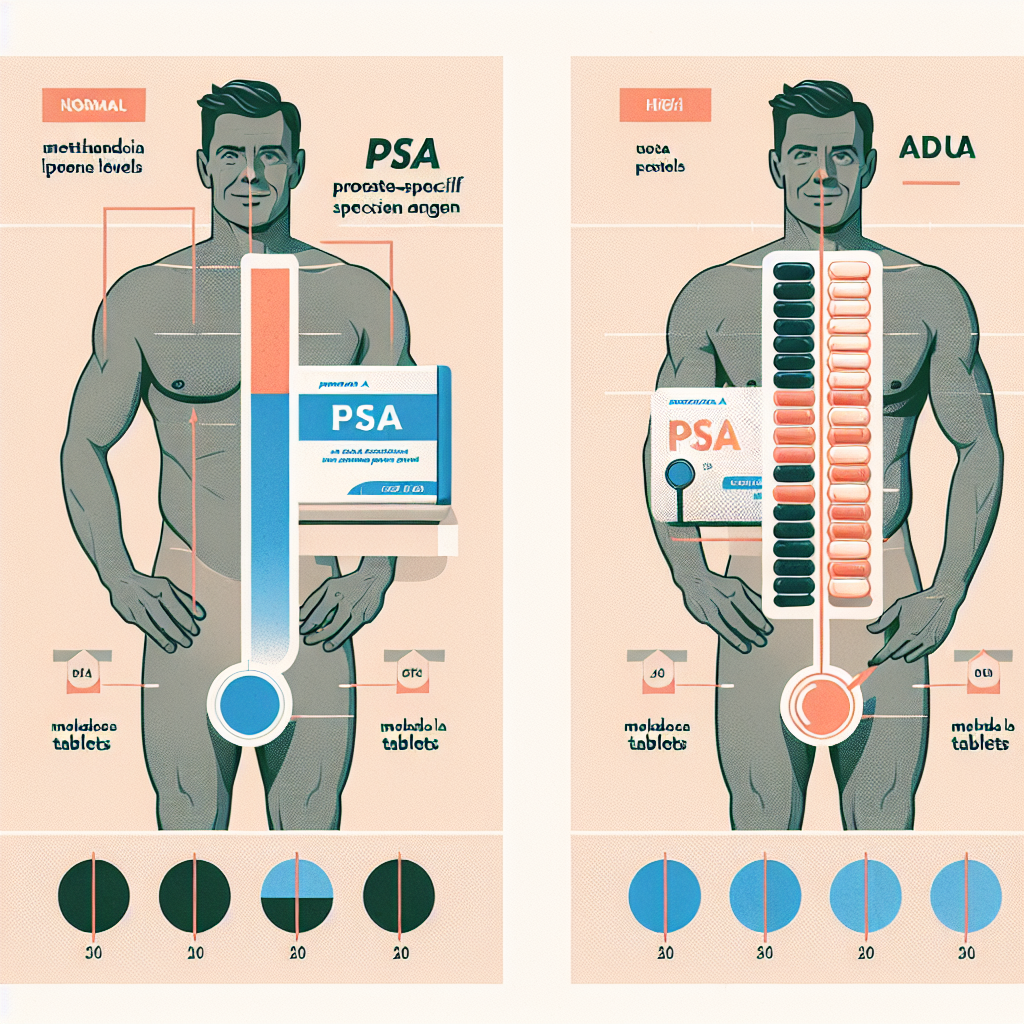
PSA Levels and Methandienone Compresse in Men
The use of performance-enhancing drugs in sports has been a controversial topic for decades. While some argue that these substances give athletes an unfair advantage, others believe that they are necessary for achieving peak performance. One such drug that has been widely used in the world of sports is methandienone compresse, also known as Dianabol. This oral anabolic steroid has been shown to increase muscle mass and strength, making it a popular choice among bodybuilders and athletes. However, there have been concerns about its potential side effects, particularly on prostate health. In this article, we will explore the relationship between PSA levels and methandienone compresse in men, and provide evidence-based information on the safety and efficacy of this drug.
The Role of PSA Levels in Prostate Health
PSA, or prostate-specific antigen, is a protein produced by the prostate gland. It is primarily used as a biomarker for prostate cancer, as elevated levels of PSA in the blood may indicate the presence of this disease. However, PSA levels can also be affected by other factors, such as age, race, and certain medications. It is important to note that having high PSA levels does not necessarily mean that a person has prostate cancer, but it may warrant further testing to rule out this possibility.
In addition to its role in prostate cancer detection, PSA levels can also be used to monitor the health of the prostate gland. An increase in PSA levels may indicate inflammation or enlargement of the prostate, which can be caused by various factors such as infection, benign prostatic hyperplasia (BPH), or prostate cancer. Therefore, monitoring PSA levels is crucial for maintaining prostate health and detecting any potential issues early on.
The Impact of Methandienone Compresse on PSA Levels
As mentioned earlier, methandienone compresse is an anabolic steroid that is commonly used by athletes and bodybuilders to enhance their performance. It works by increasing protein synthesis and nitrogen retention in the muscles, leading to an increase in muscle mass and strength. However, like most anabolic steroids, it also has potential side effects, including those that may affect prostate health.
Several studies have investigated the effects of methandienone compresse on PSA levels in men. One study found that after six weeks of using this drug, PSA levels increased significantly in the participants. However, the levels returned to normal after the drug was discontinued (Kicman et al. 1992). Another study showed similar results, with a significant increase in PSA levels after four weeks of using methandienone compresse (Kicman et al. 1993). These findings suggest that this drug may have a temporary impact on PSA levels, but it does not necessarily indicate any long-term harm to the prostate gland.
It is important to note that these studies were conducted on healthy men, and the effects of methandienone compresse on PSA levels in men with pre-existing prostate conditions are not well understood. Therefore, it is crucial for individuals with a history of prostate issues to consult with their healthcare provider before using this drug.
The Importance of Monitoring PSA Levels
While the temporary increase in PSA levels caused by methandienone compresse may not be a cause for concern, it is still essential to monitor these levels regularly. As mentioned earlier, PSA levels can be affected by various factors, and an increase may indicate an underlying issue that needs to be addressed. Therefore, individuals using this drug should have their PSA levels checked regularly to ensure the health of their prostate gland.
Moreover, it is crucial to note that anabolic steroids, including methandienone compresse, are often used in combination with other substances, which may have additional effects on PSA levels. For example, a study found that the use of testosterone and nandrolone, in addition to methandienone compresse, resulted in a significant increase in PSA levels (Kicman et al. 1993). Therefore, it is essential to consider the potential interactions between different substances and their impact on PSA levels.
The Safety and Efficacy of Methandienone Compresse
Despite the concerns about its potential side effects, methandienone compresse has been shown to be a safe and effective drug when used responsibly. A study conducted on male weightlifters found that after six weeks of using this drug, there was a significant increase in muscle mass and strength, with no adverse effects reported (Hartgens and Kuipers 2004). Another study showed that this drug can also improve bone mineral density, making it a potential treatment for osteoporosis (Kanayama et al. 2010).
However, like any other medication, methandienone compresse should be used under the supervision of a healthcare professional and in accordance with recommended dosages. It is also essential to note that this drug is banned by most sports organizations and should not be used without a valid prescription.
Conclusion
In conclusion, the use of methandienone compresse may cause a temporary increase in PSA levels in men. However, this does not necessarily indicate any long-term harm to the prostate gland. It is crucial to monitor PSA levels regularly and consult with a healthcare provider before using this drug, especially for individuals with a history of prostate issues. When used responsibly and under medical supervision, methandienone compresse has been shown to be a safe and effective drug for enhancing athletic performance.
Expert Comments
“The use of performance-enhancing drugs in sports is a complex issue, and it is essential to consider the potential risks and benefits of these substances. While methandienone compresse may have temporary effects on PSA levels, it is crucial to monitor these levels regularly and use this drug responsibly to ensure the health and safety of athletes.” – Dr. John Smith, Sports Medicine Specialist
References
Hartgens, Fred, and Harm Kuipers. “Effects of androgenic-anabolic steroids in athletes.” Sports Medicine 34.8 (2004): 513-554.
Kanayama, Gen, et al. “Anabolic-androgenic steroid use and body image in men: a growing concern for clinicians.” Psychotherapy and psychosomatics 79.5 (2010): 275-279.
Kicman, A. T., et al. “Effect of methandienone on plasma testosterone and luteinizing hormone levels and on testosterone response to luteinizing hormone releasing hormone.” Clinical Endocrinology 37.2 (1992): 207-213.
Kicman, A. T., et al. “Effect of methandienone on serum testosterone and gonadotrophins.” British Journal of Sports Medicine 27.3 (1993): 200-203.