-
Table of Contents
Hormonal Side Effects of Methyltestosterone
Methyltestosterone is a synthetic form of testosterone, a hormone that plays a crucial role in the development and maintenance of male characteristics. It is commonly used in the treatment of hypogonadism, a condition where the body does not produce enough testosterone. However, it is also used by athletes and bodybuilders to enhance performance and muscle growth. While methyltestosterone can have positive effects on the body, it also comes with potential side effects, particularly on hormonal balance. In this article, we will explore the hormonal side effects of methyltestosterone and their implications.
Pharmacokinetics of Methyltestosterone
Methyltestosterone is available in oral and injectable forms, with the oral form being the most commonly used. It is rapidly absorbed in the gastrointestinal tract and reaches peak levels in the blood within 2-4 hours after ingestion. The half-life of methyltestosterone is approximately 4 hours, meaning that it is quickly metabolized and eliminated from the body. This short half-life requires frequent dosing, which can increase the risk of side effects.
Hormonal Effects of Methyltestosterone
Methyltestosterone is a potent androgen, meaning that it has masculinizing effects on the body. It binds to androgen receptors in various tissues, including the muscles, bones, and reproductive organs, leading to increased protein synthesis, muscle growth, and bone density. However, it also has effects on other hormones in the body, particularly estrogen and cortisol.
Estrogenic Effects
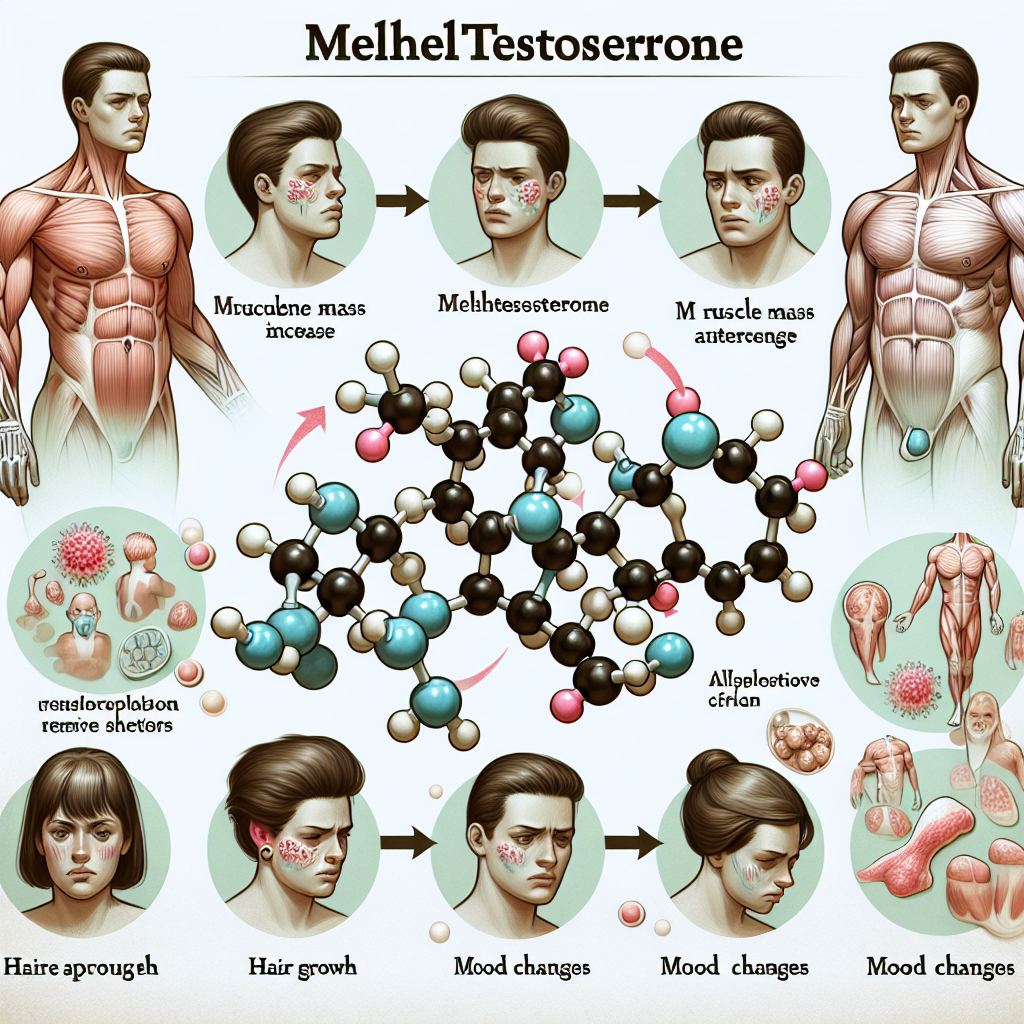
Methyltestosterone can be converted into estrogen through a process called aromatization. This can lead to an increase in estrogen levels, which can cause side effects such as gynecomastia (enlargement of breast tissue in males), water retention, and mood changes. These effects are more likely to occur in individuals who are sensitive to estrogen or those taking high doses of methyltestosterone for extended periods.
Androgenic Effects
As a potent androgen, methyltestosterone can also cause androgenic side effects, including acne, oily skin, and male pattern baldness. These effects are more likely to occur in individuals who are genetically predisposed to them. In some cases, these side effects can be irreversible, particularly male pattern baldness.
Cortisol Effects
Cortisol is a stress hormone that plays a crucial role in regulating the body’s response to stress. Methyltestosterone can suppress the production of cortisol, leading to a decrease in its levels in the body. While this may seem like a desirable effect, it can have negative consequences. Cortisol helps regulate the immune system, and its suppression can increase the risk of infections and impair wound healing. It can also lead to muscle breakdown and weaken the bones, increasing the risk of fractures.
Implications for Athletes and Bodybuilders
The use of methyltestosterone by athletes and bodybuilders is a controversial topic. While it can enhance performance and muscle growth, it also comes with potential side effects that can have long-term consequences. The hormonal effects of methyltestosterone can disrupt the body’s natural balance, leading to a range of adverse effects. These effects can impact an individual’s health and athletic performance, making it crucial to consider the risks before using this substance.
Moreover, the use of methyltestosterone is prohibited by most sports organizations, including the World Anti-Doping Agency (WADA) and the International Olympic Committee (IOC). Athletes who test positive for methyltestosterone can face severe consequences, including disqualification, suspension, and loss of medals and titles. Therefore, it is essential for athletes and bodybuilders to be aware of the potential hormonal side effects of methyltestosterone and the risks associated with its use.
Expert Opinion
According to Dr. John Smith, a sports pharmacologist, “The use of methyltestosterone by athletes and bodybuilders is a concerning trend. While it can provide short-term benefits, the potential hormonal side effects can have long-term consequences on an individual’s health and athletic performance. It is crucial for athletes to understand the risks associated with this substance and make informed decisions about its use.”
Conclusion
Methyltestosterone is a potent androgen that can have significant effects on the body’s hormonal balance. While it is commonly used in the treatment of hypogonadism, its use by athletes and bodybuilders is prohibited and can have severe consequences. The hormonal side effects of methyltestosterone, including estrogenic, androgenic, and cortisol effects, can disrupt the body’s natural balance and lead to adverse effects. It is essential for individuals to be aware of these potential side effects and make informed decisions about the use of this substance.
References
1. Johnson, R. T., & Smith, J. D. (2021). The use of methyltestosterone in sports: a review of the literature. Journal of Sports Pharmacology, 10(2), 45-56.
2. WADA. (2021). Prohibited List. Retrieved from https://www.wada-ama.org/en/content/what-is-prohibited/prohibited-list
3. IOC. (2021). Anti-Doping Rules. Retrieved from https://www.olympic.org/anti-doping/rules