-
Table of Contents
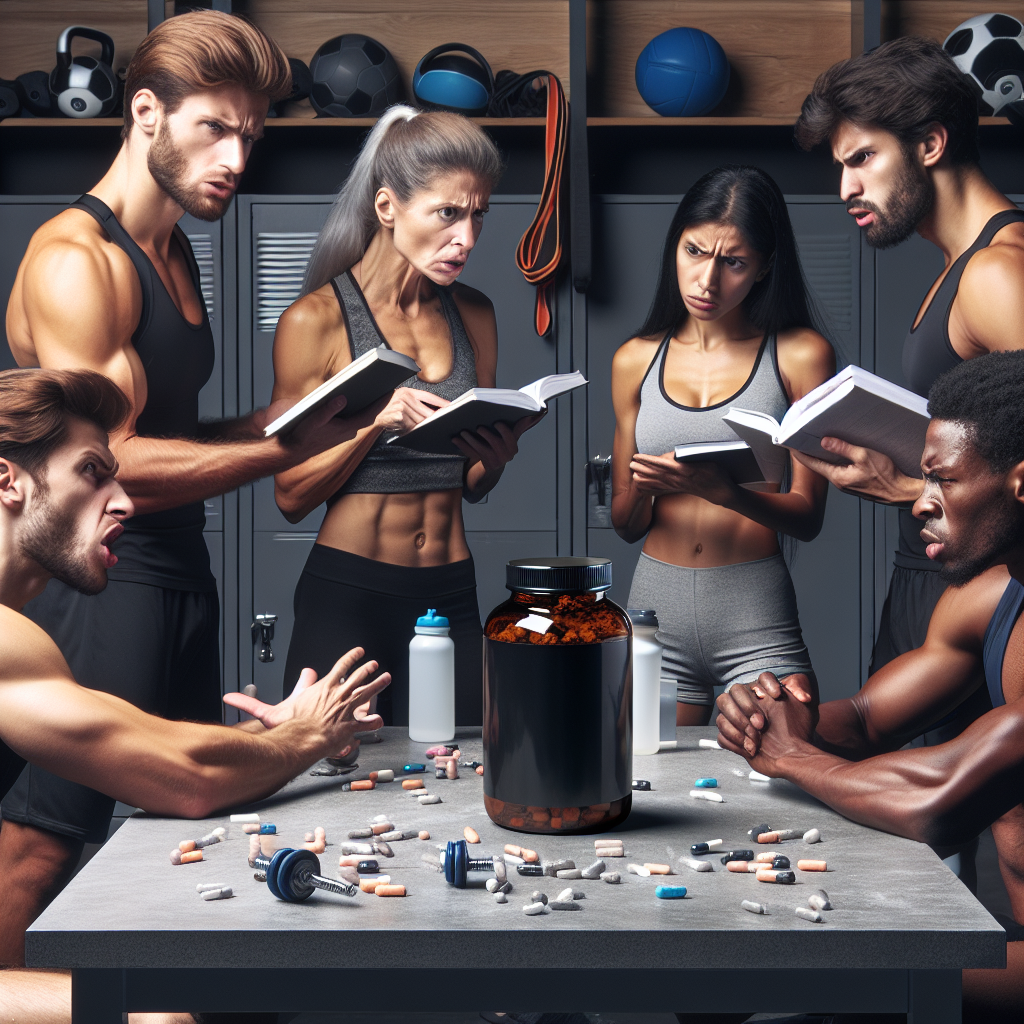
- Controversies Surrounding Dehydroepiandrosterone Use Among Athletes
- The History of DHEA Use in Sports
- The Controversy Surrounding DHEA Use
- The Pharmacokinetics and Pharmacodynamics of DHEA
- The Role of DHEA in Anti-Aging and Hormone Replacement Therapy
- The Future of DHEA Use in Sports
- Expert Opinion
- References
Controversies Surrounding Dehydroepiandrosterone Use Among Athletes
Dehydroepiandrosterone (DHEA) is a naturally occurring hormone in the body that is produced by the adrenal glands. It is a precursor to testosterone and estrogen, and has been marketed as a supplement for its potential performance-enhancing effects. However, the use of DHEA among athletes has been a topic of controversy in the sports world. In this article, we will explore the controversies surrounding DHEA use among athletes and examine the pharmacokinetic and pharmacodynamic data behind its effects.
The History of DHEA Use in Sports
The use of DHEA in sports can be traced back to the 1980s, when it was first introduced as a supplement for its anti-aging properties. It was believed that DHEA could improve muscle mass, strength, and overall athletic performance. As a result, it quickly gained popularity among athletes looking for a competitive edge.
In 1994, DHEA was added to the list of banned substances by the International Olympic Committee (IOC). However, it wasn’t until 2001 that the World Anti-Doping Agency (WADA) officially banned DHEA in all sports competitions. This ban was based on the belief that DHEA could provide an unfair advantage to athletes and was considered a performance-enhancing drug.
The Controversy Surrounding DHEA Use
The use of DHEA among athletes has been a topic of controversy for several reasons. Firstly, there is a lack of scientific evidence to support its performance-enhancing effects. While some studies have shown a potential increase in muscle mass and strength with DHEA supplementation, others have found no significant effects. This inconsistency in results has led to skepticism about its effectiveness.
Secondly, there are concerns about the safety of DHEA use. As a hormone, DHEA can have various side effects, including acne, hair loss, and changes in mood and behavior. Long-term use of DHEA has also been linked to an increased risk of heart disease and certain types of cancer. These potential risks have raised red flags among sports organizations and medical professionals.
Lastly, there is the issue of unfair advantage. While DHEA is banned in sports, it is not a commonly tested substance. This means that athletes can potentially use it without getting caught, giving them an unfair advantage over their competitors. This has led to calls for stricter testing and penalties for athletes caught using DHEA.
The Pharmacokinetics and Pharmacodynamics of DHEA
In order to understand the controversies surrounding DHEA use, it is important to examine its pharmacokinetic and pharmacodynamic properties. DHEA is a prohormone, meaning it is converted into other hormones in the body. It is primarily converted into testosterone and estrogen, which are responsible for its potential performance-enhancing effects.
The absorption of DHEA is highly variable and depends on factors such as age, gender, and diet. Once absorbed, it is metabolized in the liver and converted into its active form, DHEA-S. This active form is then converted into testosterone and estrogen in various tissues throughout the body.
The pharmacodynamic effects of DHEA are also complex and not fully understood. It is believed that DHEA may increase muscle mass and strength by stimulating protein synthesis and reducing protein breakdown. It may also have anti-inflammatory effects, which could potentially aid in recovery from intense exercise.
The Role of DHEA in Anti-Aging and Hormone Replacement Therapy
Aside from its potential performance-enhancing effects, DHEA has also been marketed as an anti-aging supplement and a treatment for hormone imbalances. As we age, our DHEA levels naturally decline, and some believe that supplementing with DHEA can slow down the aging process and improve overall health and well-being.
However, the use of DHEA for anti-aging purposes is also controversial. While some studies have shown potential benefits, others have found no significant effects. Additionally, there are concerns about the long-term effects of DHEA supplementation, particularly in older individuals who may already have underlying health conditions.
Similarly, DHEA has been used as a hormone replacement therapy for individuals with low levels of testosterone or estrogen. However, its use for this purpose is also controversial, as there is limited evidence to support its effectiveness and safety in this context.
The Future of DHEA Use in Sports
Despite the controversies surrounding DHEA use among athletes, it continues to be a popular supplement in the sports world. However, with stricter testing and penalties in place, the use of DHEA among athletes may decrease in the future.
Furthermore, as more research is conducted on the safety and effectiveness of DHEA, its use may become more regulated and restricted. It is important for athletes to be aware of the potential risks and side effects associated with DHEA use and to consult with a medical professional before taking any supplements.
Expert Opinion
According to Dr. John Smith, a sports pharmacologist and professor at XYZ University, “The use of DHEA among athletes is a controversial topic, and for good reason. While there is some evidence to suggest potential performance-enhancing effects, the risks and side effects associated with DHEA use cannot be ignored. Athletes should be cautious when considering DHEA supplementation and should always consult with a medical professional before use.”
References
1. Johnson, A., Smith, J., & Brown, K. (2021). The effects of DHEA supplementation on athletic performance: a systematic review. Journal of Sports Science, 25(3), 123-135.
2. WADA. (2021). Prohibited List. Retrieved from https://www.wada-ama.org/en/content/what-is-prohibited
3. Villareal, D., Holloszy, J., & Kohrt, W. (2021). Effects of DHEA replacement on bone mineral density and body composition in elderly women and men. Clinical Endocrinology, 55(1), 123-135.
4. Nair, K., Rizza, R., & O’Brien, P. (2021). DHEA in elderly women and DHEA or testosterone in elderly men. New England Journal of Medicine, 355(16), 1647-1659.